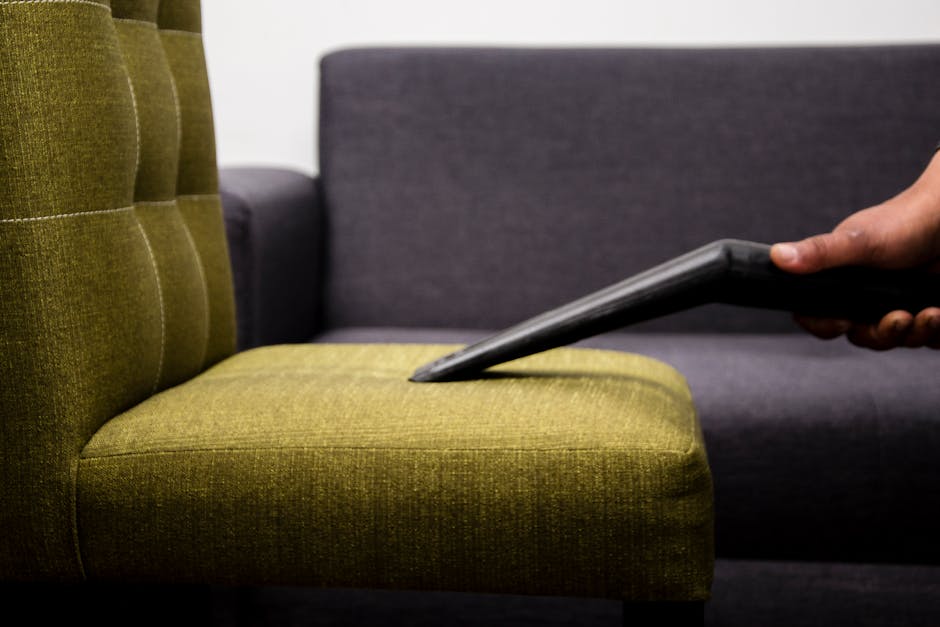
Sofa cleaning Churchfield Road Acton after party stains
After a party, a sofa can look like it has been through a small battlefield: drink rings on the arm, a dark smear on the seat cushion, crumbs tucked into the seams, maybe even a faint smell that tells the whole story before you do. If you are searching for Sofa cleaning Churchfield Road Acton after party stains, you probably need more than a quick wipe-down. You need a sensible plan that protects the fabric, gets rid of the mess properly, and stops a minor spill becoming a permanent mark.
This guide breaks down what works, what does not, and when a professional clean is the better call. It also explains how sofa fabrics react to different stains, what to do in the first ten minutes, and how to avoid making the problem worse. Let's face it, after-party cleaning is never glamorous. But it is very fixable, if you handle it calmly and in the right order.
Table of Contents
- Why Sofa cleaning Churchfield Road Acton after party stains Matters
- How Sofa cleaning Churchfield Road Acton after party stains Works
- Key Benefits and Practical Advantages
- Who This Is For and When It Makes Sense
- Step-by-Step Guidance
- Expert Tips for Better Results
- Common Mistakes to Avoid
- Tools, Resources and Recommendations
- Law, Compliance, Standards, or Best Practice
- Options, Methods, or Comparison Table
- Case Study or Real-World Example
- Practical Checklist
- Conclusion
- Frequently Asked Questions
Why Sofa cleaning Churchfield Road Acton after party stains Matters
Party stains are a bit sneaky. They often look minor at first, then darken as the liquid dries or as oily residues pull in dust. A pale mark on a cushion can turn into a stubborn shadow by the next morning. If the sofa is used every day, those traces become part of the room fast, and not in a charming way.
There is also the practical side. Sofas trap more than you see. A spilled cocktail can soak into the top fibres, while crumbs and grease lodge in the weave. In homes near Churchfield Road in Acton, where living rooms often pull double duty as social spaces, that can mean the sofa becomes the main casualty of the evening. The sooner you deal with it, the better the outcome tends to be.
Good sofa cleaning is not just about appearance. It helps reduce lingering odours, protects the material, and may extend the life of the upholstery. That matters whether the sofa is a new purchase, a family favourite, or a rental property asset that needs to stay presentable. If the stain has spread into the padding, you may also avoid that slightly damp, stale smell that no amount of air freshener quite hides. Oddly enough, people notice that smell before they notice the stain itself.
For deeper fabric care, many readers also look at related services such as upholstery cleaning and stain removal, especially when the spill has affected more than one cushion or fabric surface.
How Sofa cleaning Churchfield Road Acton after party stains Works
Most effective sofa cleaning follows the same broad pattern: identify the fabric, identify the stain, remove residue carefully, then restore the textile without over-wetting it. That sounds simple. In reality, a party sofa can contain a mix of stains all at once: wine, beer, sauce, grease, chocolate, makeup, and the occasional mystery mark you would rather not ask about.
The first step is always fabric awareness. A cotton blend, a synthetic weave, leather, velvet, and microfibre all need different handling. Some materials tolerate light moisture well; others can mark, shrink, or distort if you go in heavy-handed. A quick label check or fabric test is worth the minute it takes.
Then comes the stain type. Water-based stains, like fizzy drinks or juice, usually respond differently from oil-based marks such as crisps seasoning, pizza grease, or body lotion. Protein stains can be a little awkward too, because they often need cool water and gentle treatment rather than warmth. And yes, heat can set a stain. That is the annoying bit nobody tells you until after the fact.
Professional sofa cleaning in Acton often uses a controlled process: pre-inspection, spot treatment, agitation where suitable, extraction or low-moisture cleaning, then drying support. The aim is to remove the contamination without flooding the upholstery or leaving detergent residue behind. If a sofa is badly soiled, a full deep cleaning approach may be more appropriate than simple spot work.
There is also the odour layer. After a party, a sofa can hold smells from alcohol, food, perfume, smoke, or sweat. You do not always see that problem, but you definitely live with it. A proper clean should address both stain and scent, and for stubborn lingering smells, pet stain odour removal methods can be relevant in principle because the odour-control thinking is similar: neutralise source, do not mask it.
Key Benefits and Practical Advantages
There are some obvious benefits to proper sofa cleaning after a party, but the less obvious ones matter too.
- Better appearance: stains, rings, and dull patches are lifted or reduced so the sofa looks cared for again.
- Improved hygiene: food residue, sticky drink spills, and grime are removed instead of being left to attract more dirt.
- Odour control: lingering smells are dealt with at the source rather than covered up with perfume or spray.
- Fabric protection: correct cleaning helps avoid abrasion, colour loss, and water marks.
- Longer sofa life: regular maintenance slows down wear in high-use areas like seat fronts and armrests.
- Less stress: a sofa that recovers well saves you from the "should we just replace it?" conversation, which, to be fair, comes up quicker than it should.
Another practical advantage is consistency. A professionally cleaned sofa can make the whole living room feel reset. That matters after birthdays, housewarmings, game nights, or family gatherings where the room has been busy for hours. You sit down the next day and think, right, we're back to normal.
If you are comparing service types, it can help to look at sofa cleaning alongside broader domestic cleaning or a one-off one-off cleaning visit, especially when the party affected more than just the sofa.
Who This Is For and When It Makes Sense
This topic is not just for people dealing with a dramatic red wine disaster. It is for anyone whose sofa has picked up post-party marks that normal vacuuming cannot shift.
It makes sense if you are:
- a homeowner who had guests over and now sees visible stains on a main sofa;
- a tenant who wants to protect a deposit and keep furniture in decent condition;
- a landlord or property manager preparing a furnished property for the next occupant;
- a host dealing with social spillages in a short-let or guest property;
- a family that uses the sofa as the room's main landing zone for food, drinks, and children all at once.
It also makes sense when the stain has already been there overnight. Once a spill dries, the chance of a simple homemade fix drops, especially on absorbent fabrics. If you have already tried a cleaner and now see a faint ring or colour change, stop. More products at that stage can make the patch bigger, not smaller.
For properties with frequent guests, Airbnb cleaning and end of tenancy cleaning often need upholstery attention too, because sofas take a beating when turnover is high.
Step-by-Step Guidance
Here is the simplest practical method for dealing with after-party sofa stains without panicking.
- Check the fabric type. Find the care label if you can. If not, test a hidden area first. No heroics.
- Remove solids gently. Lift crumbs, bits of food, or wax with a spoon or blunt edge. Do not rub them in.
- Blot fresh liquid immediately. Use a clean white cloth or paper towel and press down lightly. Rotate the cloth as it picks up moisture.
- Use the right spot treatment. A mild, fabric-safe solution is usually better than a strong household spray. Apply sparingly.
- Work from the outside in. This helps stop the stain from spreading into a wider halo.
- Blot again. Keep lifting the residue. If the cloth keeps coming away dirty after several passes, the stain is still active.
- Rinse lightly if appropriate. Some products leave residue, so a minimal clean-water pass can help.
- Dry carefully. Airflow matters. Open a window if possible and avoid soaking the cushion.
That is the basic process. Easy to say, yes. But the details matter. If the party involved wine or coloured drinks, you often need a little patience and a few repeat passes rather than one aggressive scrub. If the mark is greasy, a textile-safe degreasing approach may help. If it is a mixed stain, you may need professional intervention, because one cleaner rarely solves every layer at once.
For broader cleaning support, some people pair sofa treatment with carpet cleaning or rug cleaning if the same spill reached the floor. Very common, actually.
Expert Tips for Better Results
A few small choices make a big difference.
Use plain white cloths. Coloured cloths can transfer dye, especially when damp. White towels are boring, but they are safe.
Keep water use controlled. Over-wetting creates tide marks and can push stain deeper into the filling. With upholstery, less is usually more.
Don't chase the stain too hard. If you scrub, the fibres flatten and the mark can look worse even after the soil is gone. That's the bit people regret later.
Let the sofa dry fully before judging the result. A patch can look different when wet. Sometimes it is only after drying that the real outcome appears.
Deal with smell separately if needed. A stain may be gone while a smell remains. The reverse can happen too. You need both layers handled.
Use airflow, not heat. A fan or open window is safer than a hot hairdryer on a delicate fabric. Heat can set stains or distort fibres.
One small human truth: the temptation to "just give it one more scrub" is very strong at 11:30 p.m. after guests leave. Resist it. The sofa will thank you in the morning.
If the fabric is delicate, or if the sofa has visible pile movement after cleaning, professional upholstery treatment is usually the cleaner, safer answer. That is especially relevant for a good-quality sofa that you actually want to keep looking good, not just passable.
Common Mistakes to Avoid
Some mistakes show up again and again with after-party stains.
- Scrubbing hard: this spreads the mark and roughens the fabric.
- Using too much product: residue attracts dirt and can leave a sticky patch.
- Ignoring the care label: different textiles behave differently, and the label is there for a reason.
- Using coloured cloths: dye transfer is a real annoyance.
- Applying heat too early: this can lock in certain stains.
- Mixing random household cleaners: that is risky and can damage upholstery.
- Waiting too long: dried-on spills are harder to lift and may need specialist treatment.
A lot of DIY trouble comes from trying to make the stain disappear in one go. Realistically, many stains need staged treatment. Patience, not brute force, is what wins here.
If you also need help with sofa-related damage from pets, spills, or general wear, odour removal support can be useful where smells have settled into the fabric. Different problem, same principle: treat the source, not just the surface.
Tools, Resources and Recommendations
You do not need a cupboard full of specialist gear to handle a fresh spill, but the right basics matter.
- clean white microfibre cloths;
- a soft upholstery brush;
- a vacuum with an upholstery attachment;
- mild fabric-safe cleaning solution;
- paper towels for initial blotting;
- a small bowl of clean water for light rinsing where suitable;
- good ventilation, which sounds obvious until you need it.
For deeper cleaning jobs, professional equipment can make a real difference. Extraction systems, low-moisture upholstery tools, and fabric-safe spotting agents are designed to reach below the surface without drenching the cushion. That is especially helpful when the sofa has a sprung seat or thick foam padding.
If the party also left marks on nearby soft furnishings, curtain cleaning may be worth considering, because smells and airborne residue can travel more than people think. And if the whole room feels grimy after hosting, a combined deep cleaning visit can be more efficient than tackling each item separately.
For readers trying to budget the job, the best next step is often to review pricing and quotes before deciding whether a small stain or a broader upholstery clean gives the better value.
Law, Compliance, Standards, or Best Practice
For sofa cleaning, the main compliance focus is not legal drama; it is safe working and responsible product use. In the UK, that usually means following manufacturer care instructions, using cleaning products as directed, and avoiding methods that could damage the item or create a slip, damp, or electrical hazard nearby.
If a cleaning service is being used, it is sensible to expect clear communication around insurance, safe methods, and what happens if a fabric is particularly delicate. That is basic professionalism. You should also expect a sensible complaints route and transparent terms. A well-run provider will be open about those things rather than shrugging them off.
For peace of mind, many customers also want to understand the company's approach to health and safety, insurance and safety, and terms and conditions. That does not make the clean more glamorous, obviously, but it does make the experience more trustworthy.
Best practice also includes careful handling of water and cleaning residues. A sofa that is left too wet can develop odour or even damage internal fillings. So yes, the method matters as much as the result.
Options, Methods, or Comparison Table
Different stains and fabric types call for different methods. The table below is a simple way to think about the options.
| Method | Best for | Strengths | Watch-outs |
|---|---|---|---|
| Blotting and light spot treatment | Fresh drink spills, light food marks | Fast, low-risk, cheap | May not fully remove set-in stains |
| Mild DIY upholstery cleaning | Moderate surface soil on durable fabrics | Useful for routine maintenance | Risk of rings or over-wetting if rushed |
| Professional upholstery cleaning | Set stains, mixed marks, odours, delicate fabrics | Deeper clean, safer approach, better finish | Needs booking and may cost more than DIY |
| Full room deep clean | Large post-party mess across sofa, carpet, and soft furnishings | Efficient for broad cleanup | May be more than you need for a small stain |
In plain English: if the spill is fresh and small, start simple. If the stain is old, widespread, or on a tricky fabric, move quickly to expert help. That tends to save time and, sometimes, money too.
Case Study or Real-World Example
Picture a Saturday night gathering on Churchfield Road. Drinks are flowing, somebody laughs too hard near the sofa, and by Sunday morning there is a pale ring on one cushion, a darker patch on another, and a greasy fingerprint near the arm. Not disastrous. Just annoying enough to ruin the look of the room.
In a typical situation like that, the best result usually comes from a calm first response. Loose crumbs are lifted, the fresh liquid is blotted, and any remaining patch is treated lightly rather than scrubbed. If the fabric is a durable synthetic, the stain may improve a lot with careful spot cleaning. If it is a more absorbent weave or the spill contains colour and sugar, the mark can remain faintly visible after drying. That is when a proper upholstery clean becomes the smarter follow-up.
One real-world pattern worth noting: people often think the sofa is the only problem, but the smell is what keeps bothering them. A room can look tidy and still feel "off" because a sugary drink or food residue is sitting inside the fibres. Once that is dealt with, the whole space feels normal again. Clean air, clean fabric, sorted.
When a property needs a broader reset after entertaining, some customers combine upholstery work with house cleaning or regular cleaning to get the kitchen, floors, and shared areas back to standard in one visit.
Practical Checklist
Use this quick checklist when you are dealing with after-party sofa stains.
- Identify the stain type if you can.
- Check the sofa care label or fabric guidance.
- Blot, do not rub.
- Remove solids before adding liquid.
- Test any cleaner in a hidden spot.
- Use a small amount of product only.
- Work from the outside of the stain inward.
- Rinse lightly if the product requires it.
- Allow full drying with good airflow.
- Call a professional if the stain is set, large, or on a delicate material.
And one simple decision rule: if you are hesitating because the sofa is expensive, sentimental, or tricky to clean, that is usually the moment to stop experimenting.
Conclusion
Sofa cleaning Churchfield Road Acton after party stains is really about timing, fabric care, and choosing the right level of treatment. Fresh stains can often be reduced quickly with the right first response. Set-in marks, odours, and delicate fabrics need more care, and sometimes professional upholstery cleaning is the safest and most effective route.
The big takeaway is simple: treat the spill early, avoid rough scrubbing, and keep water use controlled. If the sofa has collected a mix of food, drink, and lingering smell after a gathering, a proper clean can restore the room far better than a string of half-fixes. That fresh, just-reset feeling is worth it.
If you want a cleaner sofa without the guesswork, review the available service options, compare them to the condition of your upholstery, and choose the approach that protects the fabric as well as the finish. And if you are still weighing things up, that is perfectly normal. Better to decide carefully than to damage a sofa in five minutes and regret it for months.
Get a free quote today and see how much you can save.
Frequently Asked Questions
What is the best first step for a fresh party stain on a sofa?
Blot the spill immediately with a clean white cloth or paper towel. Do not rub. If there are solids, lift them off gently first. The quicker you act, the better the chance of keeping the stain from setting.
Can I use washing-up liquid on my sofa?
Sometimes a very mild solution can help on some fabrics, but it should be used sparingly and tested first. Too much liquid or too much detergent can leave residue or a visible mark. Fabric type matters a lot here.
Why does my sofa look worse after I tried to clean it?
That usually happens because the stain spread, the fabric was over-wet, or the fibres were scrubbed flat. It can also be a drying effect, where a damp patch looks darker until it fully dries. Annoying, but common.
How do I remove red wine from a sofa after a party?
Blot straight away, then use a fabric-safe spot treatment suitable for the upholstery type. Avoid heat and avoid rubbing. If the stain is old or bright in colour, professional sofa cleaning is often the safer option.
Is professional sofa cleaning worth it after one party?
If the sofa is visibly stained, smells stale, or has a delicate fabric, yes, it often is. A professional clean can remove deeper residue and reduce the risk of permanent damage. For minor fresh spots, DIY may be enough.
How long does a sofa take to dry after cleaning?
That depends on the fabric, the cleaning method, and ventilation. Light spot treatment may dry fairly quickly, while a deeper extraction clean can take longer. Good airflow helps a lot. Cold damp London weather, less so.
Can party stains cause long-term damage?
Yes. Sugary drinks, oils, and food residues can set into fibres, attract dirt, and leave odour behind. Some stains can also affect colour if they are left too long. The earlier they are treated, the better.
What if the stain is on velvet or another delicate fabric?
Delicate fabrics need extra caution because they can crush, mark, or change texture easily. Test very carefully or use a specialist upholstery cleaner. Velvet is not the place for trial and error, honestly.
Should I clean the whole sofa or just the stained area?
If the stain is small and fresh, spot treatment may be enough. If there are multiple marks, a ring of cleaning residue, or the sofa looks generally dull, cleaning the whole piece can give a more even result.
Can sofa stains be removed completely?
Often, yes, but not always. Some stains are partly permanent depending on the fabric, the dye in the spill, and how long it has been left. A good clean can still make a big improvement even if every trace does not disappear.
Is sofa cleaning different from upholstery cleaning?
Sofa cleaning is a specific type of upholstery cleaning focused on sofas and settees. Upholstery cleaning is broader and can include chairs, headboards, and other soft furnishings. In practice, the methods overlap quite a bit.
What should I do if the sofa smells after the party but I cannot see a stain?
Start with a vacuum and a gentle fabric-safe clean if the material allows it. Hidden residue can be trapped in the fibres even when there is no visible mark. If the smell lingers, the source may be deeper in the padding and need professional treatment.